About Non-Contact Type Measuring Instrument
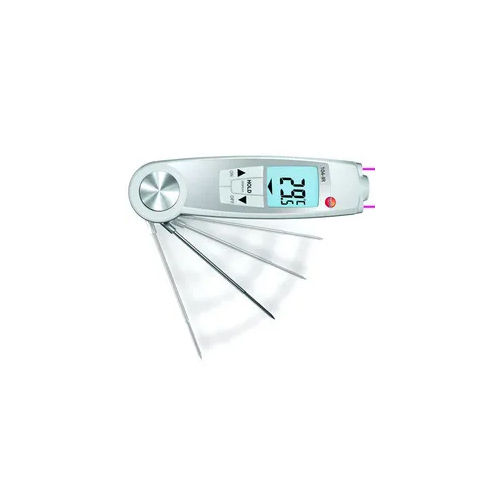
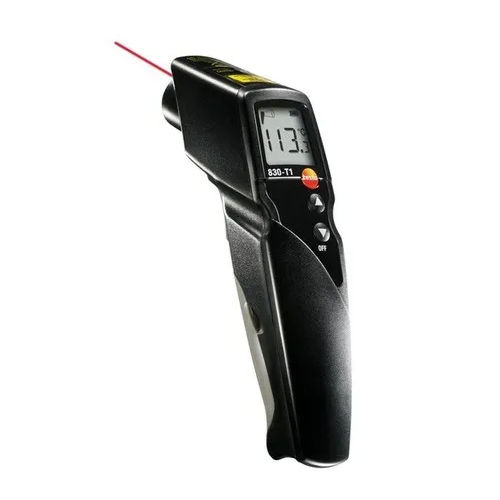
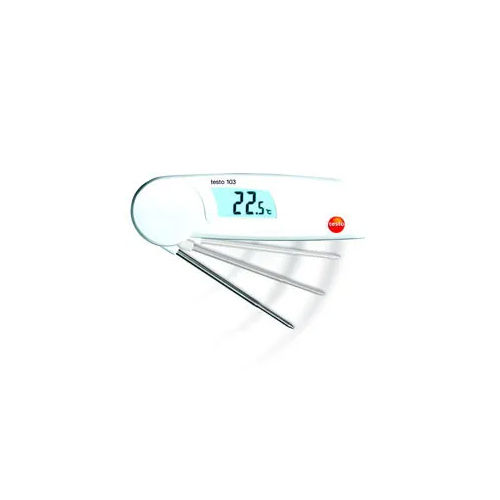
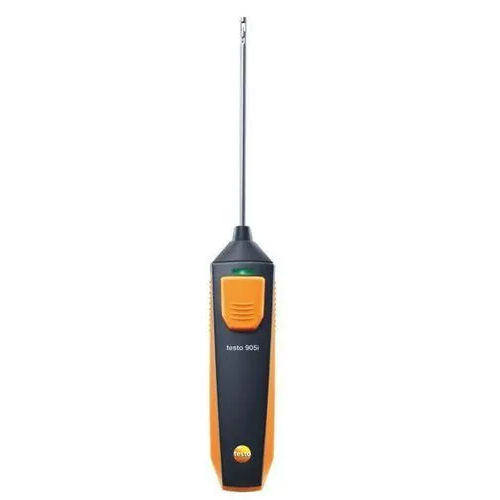
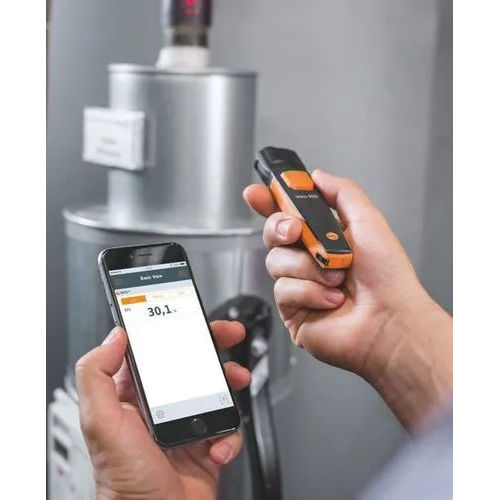
Being a well-known enterprise, we manufacture and supply an elite range of Non-Contact Type Measuring Instruments to our respected clients. The offered instruments are used for measuring contact angle, surface tension, roughness and surface free energy. These instruments are precisely manufactured using the best quality raw materials and contemporary technology under the guidance of our deft technocrats in sync with set industry quality standards. Further, these Non-Contact Type Measuring Instruments are available in different specification to satisfy the changing needs of our prestigious clients at affordable rates
Features of Non-Contact Type Measuring Instrument :
- Excellent performance
- Rustproof body
- Sturdy construction
- Clear display
Advanced Measurement TechnologyUtilizing the latest non-contact sensing techniques, this instrument provides accurate measurements without physically touching the sample. Ideal for analyzing fragile electronics or sensitive materials, it reduces the risk of contamination and preserves sample integrity. The robust structure ensures stability, while its lightweight design facilitates easy handling in laboratory or industrial settings.
Versatility Across ApplicationsWhether used for research, industrial inspection, or electronics evaluation, this measuring instrument adapts to a range of scenarios. Its construction from metal and plastic enhances both durability and resilience, making it a reliable tool for consistent, long-term use. Users benefit from rapid results, reduced errors, and ease of integration into existing testing workflows across diverse industries.
FAQs of Non-Contact Type Measuring Instrument:
Q: How does the non-contact measuring instrument work?
A: The instrument utilizes optical or electronic sensors to measure dimensions, thickness, or other properties of materials without making direct physical contact, ensuring fast and precise results.
Q: What materials is the instrument made from, and why?
A: It is constructed from a combination of metal for strength and plastic for reduced weight, making it durable yet easy to handle during extended use.
Q: When should this instrument be used instead of a contact-type device?
A: It is best used when measuring fragile, hazardous, or contamination-sensitive materials, as the non-contact operation prevents damage or interference with the sample.
Q: Where can this measuring instrument be utilized effectively?
A: The device is ideal for electronics manufacturing, research labs, material analysis facilities, and general industrial quality control within India.
Q: What is the usage process for this instrument?
A: Simply position the instrument near the material to be measured, activate the device, and view results on its displayno physical contact or sample alteration is required.
Q: What are the main benefits of choosing a non-contact measuring device?
A: It offers enhanced accuracy, faster measurements, protects sensitive samples, and minimizes instrument wear, resulting in long-term reliability and reduced maintenance needs.

 Send Inquiry



 Send Inquiry

 Send Inquiry

